Recombinant Human Serum Albumin (rHSA)
Cellastim® S
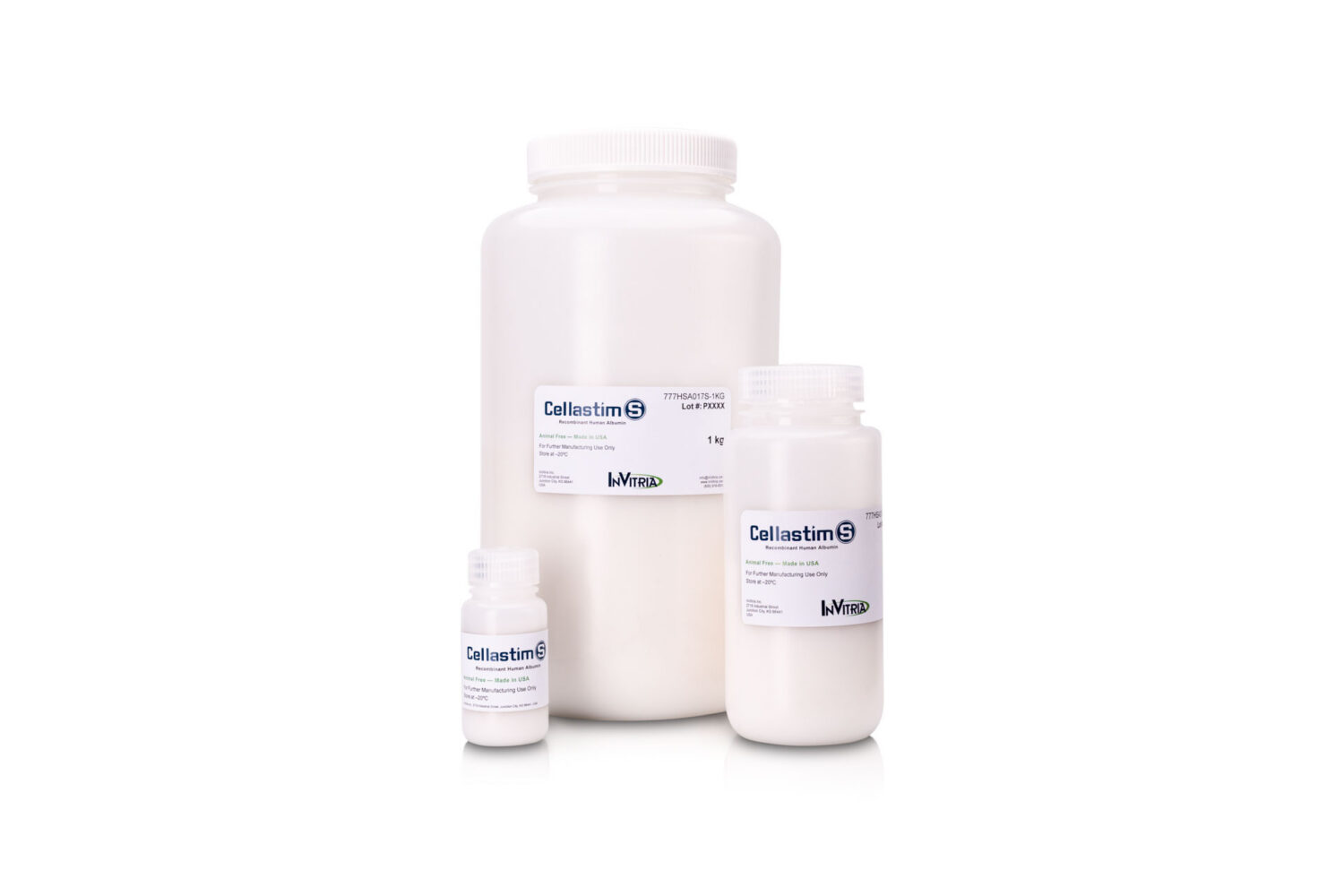
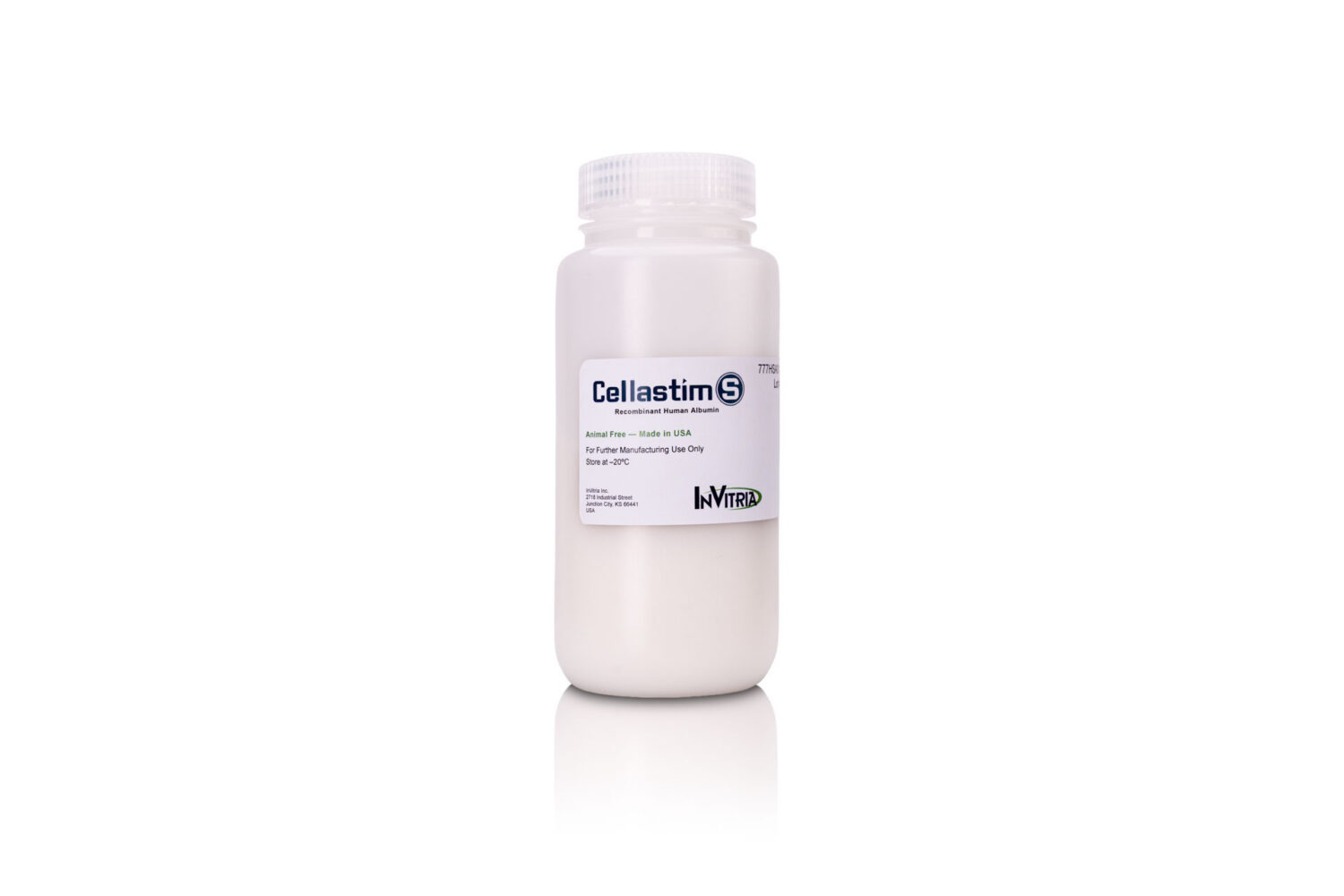
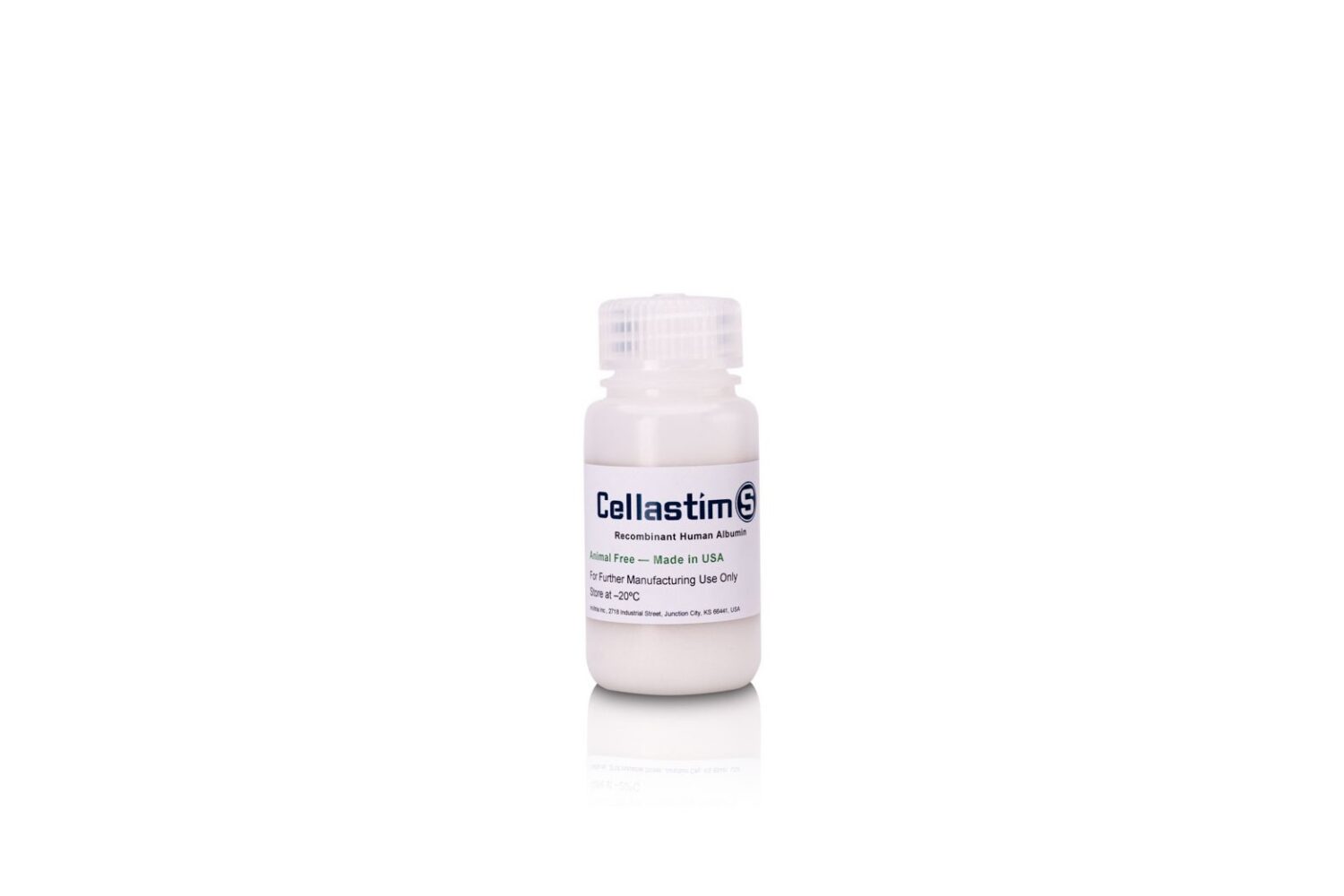
GMP cell culture recombinant human serum albumin, supplied as a lyophilized powder for cell culture media applications.
Replacing BSA or plasma-derived HSA in cell culture with Cellastim S provides lot-to-lot consistency and lowers risk.
Composition
- Purity
- ≥96.0%
- Endotoxin
- ≤1.0 EU/mg
- Stabilizers
- None. No preservatives
- Storage
- -20 °C
Compliance
- Expression System
- Recombinant, AOF
- Manufacturing
- cGMP, ISO 9001:2015
- Facility
- Junction City, KS
- Documentation
- Lot-specific CoA
Product overview
A cell culture-grade recombinant albumin for serum-free media.
Serum-free media programs still lean on two blood-derived albumins. Bovine serum albumin carries TSE/BSE risk, an undefined lipid, fatty acid, and minor protein content, herd and seasonal variability, and a species mismatch in human cell culture. Plasma-derived HSA carries adventitious agent risk, donor-pool variability, and the sodium octanoate and N-acetyl tryptophan stabilizers that pasteurization requires. Supply for both is tied to cattle or to human blood donation volumes.
Cellastim® S is InVitria’s cell culture-grade recombinant human serum albumin, produced at the ISO 9001:2015-certified, cGMP-compliant facility in Junction City, Kansas. Purity is ≥96.0% and endotoxin ≤1.0 EU/mg, with no added stabilizers and no added preservatives. Every lot is cell culture performance tested in addition to chemical specifications.
Featured Resources
The data behind the claims
Technical specifications
| Attribute | Value |
|---|---|
| Physical & Chemical | |
| Form | Lyophilized powder |
| Appearance | White to off-white lyophilized powder |
| Molecular weight | ~66.5 kDa |
| Purity | ≥96.0% |
| Endotoxin level | ≤1.0 EU/mg |
| Concentration | Reconstitute to working stock solution, 10 to 20% w/v recommended |
| Sterility | Powder; sterile filter after reconstitution |
| Storage conditions | -20 °C |
| Formulation | Lyophilized from buffered salt solution |
| Shelf life | 4 years from DOM (Powder) |
| Packaging | 10 g, 100 g, + scale packaging |
| Composition | |
| Product name | Cellastim® S |
| Brand | InVitria® |
| SKU / Product Number | 777HSA017S |
| Protein | Recombinant Human Serum Albumin (rHSA) |
| Class | Serum Protein / Albumin |
| Synonyms | rHSA, HSA, ALB, Albumin, Human Albumin, SA, rHA |
| Expression system | Recombinant, Animal-Origin Free |
| Stabilizers/Preservatives | None |
| Regulatory | |
| Animal-origin-free | Yes |
| Production standard | ISO 9001:2015, cGMP-compliant facility |
| Country of origin | USA (Junction City, KS) |
| Documentation | Certificate of Analysis (request form) · Data Sheet · Guidelines for Use · Safety Data Sheet · Certificate of Origin and Animal-Free / TSE-BSE Statement · ISO 9001:2015 certificate · cGMP Statement · product-specific Technical Summary on request |
| Peer-reviewed validation | Pennybaker and Alfano 2018 Cell & Gene Therapy Insights; Burridge et al. 2014 Nature Methods; Biotechnology and Bioengineering 2020 |
Key Benefits
- Stabilizer-Free Cell Culture Albumin
- ≥96.0% purity, ≤1.0 EU/mg endotoxin, with no added stabilizers or preservatives.
- Every Lot Performance Tested
- Each lot is cell culture performance tested in addition to chemical specifications.
- Higher CHO Growth and Productivity
- In six serum-free CHO media at 1 g/L, about 50% higher IVCN and productivity than plasma HSA.
How to order Cellastim® S
- Catalog purchase
- 10 g at $548 and 100 g at $4,349 on the InVitria catalog with direct checkout. Both ship as the lyophilized powder.
- Purchase Order
- Contact info@invitria.com or a Product Applications team member at InVitria to submit a PO directly.
- Bulk pricing
- Bulk and custom packaging for cell culture media formulation and biomanufacturing programs. The bulk pricing form routes the request to InVitria for volume-tier pricing, faster supply chain turnaround, and GMP supply commitments.
- Regional distribution
- Find a Distributor covers regional partners. Cellastim S is also available through Fisher Scientific, VWR, and the Labviva procurement platform for institutional procurement systems. European customers can order with direct fulfillment from InVitria’s Rotterdam, Netherlands facility. Every channel ships the same product, Certificate of Analysis, and technical support.
Lot-specific Certificate of Analysis available by lot number. Data Sheet and Guidelines for Use available as downloads. TSE/BSE statement and Certificate of Origin available on request.
Common questions
Cellastim® S is InVitria’s GMP cell culture-grade recombinant human serum albumin, supplied as a lyophilized powder for serum-free cell culture media supplementation and cell cryopreservation. It is produced on InVitria’s ExpressTec™ expression platform at an ISO 9001:2015-certified, cGMP-compliant facility in Junction City, Kansas, as the recombinant, animal-origin-free replacement for bovine serum albumin (BSA) and plasma-derived human serum albumin in serum-free cell culture.
Cellastim S is produced recombinantly on InVitria’s ExpressTec expression platform, a non-mammalian, non-human, rice-based expression host with no animal-derived, human-derived, or blood-derived materials. Manufacturing is fully animal-origin-free, from raw materials through production equipment to product-contact packaging. Cellastim S contains no added preservatives and no added stabilizers.
Yes. Cellastim S is designed as the recombinant, animal-origin-free replacement for bovine serum albumin (BSA) and plasma-derived human serum albumin in serum-free cell culture media supplementation and cell cryopreservation. Against BSA it removes TSE/BSE risk, donor and lot variability, and the undefined lipid, fatty acid, and minor protein content of bovine-derived albumin. Against plasma-derived HSA it removes adventitious agent risk and donor pool variability.
Yes. InVitria manufactures Cellastim S under a cGMP-compliant quality management system with respect to 21 CFR Part 210/211 at its ISO 9001:2015-certified facility in Junction City, Kansas, USA. Cellastim S is 100% animal-origin-free. Raw materials, production host, manufacturing equipment, and product-contact packaging are all free of animal-derived components.
Cellastim S is supplied as a lyophilized powder with purity ≥96.0% and endotoxin ≤1.0 EU/mg, specifications appropriate for cell culture media supplementation and cell culture research applications.
Cellastim S is supported by a Certificate of Analysis, Safety Data Sheet, Guidelines for Use, Certificate of Origin and Animal-Free / TSE-BSE Statement, ISO 9001 certificate, and cGMP Statement. Additional quality and regulatory documentation is available on request, including materials for supplier qualification and animal-free certification.
InVitria provides a product-specific Technical Summary for Cellastim S containing CMC-style documentation: manufacturing process, raw material controls, characterization data, release specifications, and lot analysis. It is designed to support customer regulatory submissions globally, including IND, BLA, and comparable filings under FDA, EMA, and other regulatory authorities. Contact us to request the Technical Summary.
Cellastim S is supplied as a non-sterile lyophilized powder. Sterile filtration using a low-protein-binding 0.2 µm filter after reconstitution is recommended for any aseptic workflow.
Replacing animal-derived albumin with a recombinant, animal-origin-free input removes TSE/BSE risk, adventitious agent risk, and donor or herd variability. That simplifies raw material risk assessment, supplier qualification, and comparability planning, particularly for cell therapy, gene therapy, and vaccine programs moving toward animal-free manufacturing in alignment with FDA and EMA regulatory guidance.
Use the Certificate of Analysis request form. A Certificate of Analysis is issued for every lot. Cellastim S is also supported by a Safety Data Sheet, Guidelines for Use, Certificate of Origin and Animal-Free / TSE-BSE Statement, ISO 9001 certificate, and cGMP Statement, with additional quality and regulatory documentation available on request.
Cellastim S is the cell culture-grade recombinant human serum albumin for serum-free media supplementation and cell cryopreservation. Exbumin is the excipient rHSA with documented regulatory precedent in an approved injectable human biologic. It is a formulation component in Merck’s ERVEBO Ebola vaccine and is approved as an excipient by the FDA and EMA. Exbumin is also supplied as a lyophilized powder. Choose Cellastim S for cell culture and cryopreservation. Choose Exbumin for injectable drug product formulation, particularly where regulatory precedent for injectable use is beneficial.
Yeast-derived recombinant albumins addressed the pathogen risk of plasma HSA but introduced immunogenic yeast host cell proteins requiring extensive purification, and surfactants like Polysorbate 80 added to prevent processing aggregation. Cellastim S’s non-mammalian, non-yeast ExpressTec expression system produces a native-state molecule without those constraints. In a 7-day human T lymphocyte subculture, three yeast-derived albumins failed to induce significant proliferation, while Cellastim S matched AlbuMAX and the two human serum-derived albumins (Cell & Gene Therapy Insights 2018).
Cellastim S supports CHO, HEK293, and VERO production cell lines, stem cell systems including iPSC, MSC, HSC, and CD34+ cells, and immune cell expansion workflows including T cell, NK cell, regulatory T cell (Treg), and tumor-infiltrating lymphocyte (TIL). It is also used in serum-free cell culture media formulation and cell cryopreservation applications.
Start in the 0.1 to 2 g/L range and optimize based on cell type and medium composition. Because Cellastim S is chemically defined with recombinant lot-to-lot consistency, some processes achieve strong performance at lower inclusion levels than the equivalent BSA or plasma-derived HSA concentration.
InVitria’s reconstitution application note gives a step-by-step protocol for a sterile 10 to 20% stock using gentle mixing and sterile filtration. Add 70% of the calculated final volume first to allow for displacement by the powder, dissolve undisturbed at 4 °C in the dark for at least four hours and preferably overnight, bring the solution to the calculated final volume, then filter through 0.2 µm. Avoid vortexing and bubble formation, and allow full dissolution in the cold to minimize foaming and aggregation. See the Cellastim S Reconstitution Application Note and the rHSA Reconstitution Video Protocol.
Cellastim S is available as a lyophilized powder in 10 g and 100 g formats. Contact InVitria for bulk and custom packaging options to support cell culture media formulation and biomanufacturing programs.
Cellastim S is available worldwide through multiple purchasing pathways. Most customers work directly with InVitria for full access to the Cellastim S portfolio, bulk and commercial-scale supply, favorable volume-tier pricing, faster supply chain turnaround, GMP supply commitments, and regulatory documentation support. Cellastim S is also available through Fisher Scientific, VWR, and the Labviva procurement platform, which integrates with Ariba, Coupa, Oracle, and Jaggaer, for customers whose institutional procurement systems require integrated supplier ordering. European customers can order with direct fulfillment from InVitria’s Rotterdam, Netherlands facility. All customers receive the same product, Certificate of Analysis, and technical support regardless of channel. Contact InVitria or request bulk pricing to place an order.
Store lyophilized Cellastim S at -20 °C, protected from moisture. Follow the Guidelines for Use for reconstitution, filtration, and storage of prepared stocks. Shelf life is 4 years from date of manufacture. Contact InVitria technical support for application-specific handling guidance.
Peer-Reviewed Publications
-
Vaccines & Virology
Cultures Through Time: Forging a Xeno-Free Future for Cell Culture-Based Virology
Read paper (DOI) ↗ -
Other
Plant- and Microalgae-Based Biotechnological Strategies for Affordable and Non-Invasive Delivery of Antidiabetic Peptides
Read paper (DOI) ↗ -
Stem Cell & Cardiac Models
Maturation is required to model ischemia-reperfusion injury in engineered human cardiac tissues
Read paper (DOI) ↗ -
Stem Cell & Cardiac Models
Trdn-as directs m6A-dependent transcriptional termination for accurate triadin isoform switching, preventing aberrant dyads and cardiomyopathy
Read paper (DOI) ↗ -
Stem Cell & Cardiac Models
Development of a vascularized multi-organoid-on-a-chip to model the heart-islet axis in diabetic cardiomyopathy
Read paper (DOI) ↗ -
Biosensors & Biomaterials
Conformable Microelectrode Arrays Integrated with a Scoop-Shaped Slide-Well for Dynamic Electrophysiological Profiling of Patient-Derived Cardiac Organoids
Read paper (DOI) ↗ -
Immunology & Assays
Quantitative and qualitative differences in anti-Envelope IgG-secreting cells distinguish subclinical and hospitalized dengue in a Cambodian pediatric cohort
Read paper (DOI) ↗ -
Stem Cell & Cardiac Models
RRAGD p.(Ser76Leu) Variant Causes Dysregulated Expression of Muscle Development and Cytoskeleton Genes in Cardiomyocytes
Read paper (DOI) ↗ -
Drug Delivery & Pharmacology
Short-Chain and Long-Chain Fatty Acid-Containing Platinum–Acridine Anticancer Prodrugs: Exploiting Alternative Mechanisms of Cellular Internalization
Read paper (DOI) ↗ -
Cell Culture Media
A serum-free culture medium for long-term expansion of human airway basal stem cells
Read paper (DOI) ↗ -
Immunology & Assays
Mass-Standardised Differential Antibody Binding to a Spectrum of SARS-CoV-2 Variant Spike Proteins: Wuhan, Alpha, Beta, Gamma, Delta, Omicron BA.1, BA.4/5, BA.2.75 and BA.2.12.1 Variants—Antibody Immunity Endotypes
Read paper (DOI) ↗ -
Biosensors & Biomaterials
Multimodal optical system for quantitative discrimination of bilirubin species
Read paper (DOI) ↗ -
Stem Cell & Cardiac Models
PGM1 deficiency is linked to sarcomeric and mitochondrial dysfunction in patient-derived iPSC-cardiomyocytes
Read paper (DOI) ↗ -
Vaccines & Virology
SARS-CoV-2-infected cardiomyocytes exhibit upregulated necroptosis, but no evidence of mitochondrial permeability transition
Read paper (DOI) ↗ -
Stem Cell & Cardiac Models
Generation and characterization of vestibular inner ear organoids from human pluripotent stem cells
Read paper (DOI) ↗ -
Immunology & Assays
Protocol to isolate, expand, and activate human type 2 innate lymphoid cells to study immune checkpoint function
Read paper (DOI) ↗ -
Cell Culture Media
Highly Sustainable Plant and Yeast Hydrolysate-Based Alternative for Basal Medium Supports Long-Term In Vitro Propagation of Bovine Satellite Cells
Read paper (DOI) ↗ -
Stem Cell & Cardiac Models
Metabolic fatty acid substrates enhance the structural and mechanical performance of human-induced pluripotent stem cell-derived cardiomyocytes
Read paper (DOI) ↗ -
Cell Culture Media
Animal-derived components in cultivated meat research and their alternatives
Read paper (DOI) ↗ -
Albumin Characterization
Non-standardized protein background in IVF media linked to serum-derived albumin supplementation
Read paper (DOI) ↗ -
Stem Cell & Cardiac Models
Allele-specific zinc metalloprotease B influences cardiac damage during invasive pneumococcal disease
Read paper (DOI) ↗ -
Drug Delivery & Pharmacology
Site-Selectively Functionalized Albumin with DFO*Maleimide for 89Zr-Radiolabeling Yields a Metabolically Stable PET Probe that Enables Late Time-Point Tumor Imaging in Mice
Read paper (DOI) ↗ -
Cell Culture Media
Addressing hurdles in cultured meat by exploring reduced myogenesis after bovine myoblast expansion
Read paper (DOI) ↗ -
Drug Delivery & Pharmacology
The dietary phytochemicals carnosic acid and sulforaphane regulate inflammatory markers in ulcerative colitis patient-derived colonoids
Read paper (DOI) ↗ -
Other
Expanding the Crosslinking Mass Spectrometry Toolbox With Vinyl Sulfone Crosslinkers
Read paper (DOI) ↗ -
Immunology & Assays
Dynamic Activation of NADPH Oxidases in Immune Responses Modulates Differentiation, Function, and Lifespan of Plasma Cells
Read paper (DOI) ↗ -
Stem Cell & Cardiac Models
Allogenic mitochondria transfer improves cardiac function in iPS-cell-differentiated cardiomyocytes of a patient with Barth syndrome
Read paper (DOI) ↗ -
Vaccines & Virology
Matrix metalloproteinase-9 mediates endothelial glycocalyx degradation and correlates with severity of hemorrhagic fever with renal syndrome
Read paper (DOI) ↗ -
Biosensors & Biomaterials
Analytical and Structural Evaluation of Recombinant Human Serum Albumin and Fragment F8 for Aptamer-Based Urinary Biomarker Detection
Read paper (DOI) ↗ -
Stem Cell & Cardiac Models
Distinct specificity and functions of PRC2 subcomplexes in human stem cells and cardiac differentiation
Read paper (DOI) ↗ -
Stem Cell & Cardiac Models
GATA6 regulates WNT and BMP programs to pattern precardiac mesoderm during the earliest stages of human cardiogenesis
Read paper (DOI) ↗ -
Other
Volumetric trans-scale imaging of massive quantity of heterogeneous cell populations in centimeter-wide tissue and embryo
Read paper (DOI) ↗ -
Other
Comparison between Inhibition of CatSper and KSper Channels with NNC 55-0396 and Quinidine on Human Sperm Function
Read paper (DOI) ↗ -
Stem Cell & Cardiac Models
The Efficiency of In Vitro Differentiation of Primate iPSCs into Cardiomyocytes Depending on Their Cell Seeding Density and Cell Line Specificity
Read paper (DOI) ↗ -
Stem Cell & Cardiac Models
An Engineered Human Cardiac Tissue Model Reveals Contributions of Systemic Lupus Erythematosus Autoantibodies to Myocardial Injury
Read paper (DOI) ↗ -
Stem Cell & Cardiac Models
Macrophages enhance contractile force in iPSC-derived human engineered cardiac tissue
Read paper (DOI) ↗ -
Stem Cell & Cardiac Models
Recessive TMOD1 mutation causes childhood cardiomyopathy
Read paper (DOI) ↗ -
Stem Cell & Cardiac Models
Telomerase is essential for cardiac differentiation and sustained metabolism of human cardiomyocytes
Read paper (DOI) ↗ -
Other
Albumin Redox Modifications Promote Cell Calcification Reflecting the Impact of Oxidative Status on Aortic Valve Disease and Atherosclerosis
Read paper (DOI) ↗ -
Stem Cell & Cardiac Models
Improving cardiac differentiation of human pluripotent stem cells by targeting ferroptosis
Read paper (DOI) ↗ -
Immunology & Assays
Single-B cell analysis correlates high-lactate secretion with stress and increased apoptosis
Read paper (DOI) ↗ -
Stem Cell & Cardiac Models
PITX2 deficiency leads to atrial mitochondrial dysfunction
Read paper (DOI) ↗ -
Stem Cell & Cardiac Models
An hiPSC-CM approach for electrophysiological phenotyping of a patient-specific case of short-coupled TdP
Read paper (DOI) ↗ -
Stem Cell & Cardiac Models
Protocol to develop force-generating human skeletal muscle organoids
Read paper (DOI) ↗ -
Immunology & Assays
Prediction of polyspecificity from antibody sequence data by machine learning
Read paper (DOI) ↗ -
Immunology & Assays
Diagnosis of acute myocardial infarction using a combination of circulating circular RNA cZNF292 and clinical information based on machine learning
Read paper (DOI) ↗ -
Immunology & Assays
Sample Preparation Methods for Targeted Single-Cell Proteomics
Read paper (DOI) ↗ -
Stem Cell & Cardiac Models
Pro-Arrhythmic Potential of Accumulated Uremic Toxins Is Mediated via Vulnerability of Action Potential Repolarization
Read paper (DOI) ↗ -
Stem Cell & Cardiac Models
Therapeutic efficacy of AAV-mediated restoration of PKP2 in arrhythmogenic cardiomyopathy
Read paper (DOI) ↗ -
Other
Inhibition of lipid synthesis by the HIV integrase strand transfer inhibitor elvitegravir in primary rat oligodendrocyte cultures
Read paper (DOI) ↗ -
Immunology & Assays
Contribution of Elevated Glucose and Oxidized LDL to Macrophage Inflammation: A Role for PRAS40/Akt-Dependent Shedding of Soluble CD14
Read paper (DOI) ↗ -
Immunology & Assays
Blood Biomarkers in Takotsubo Syndrome Point to an Emerging Role for Inflammaging in Endothelial Pathophysiology
Read paper (DOI) ↗ -
Drug Delivery & Pharmacology
Molecular basis of GDF15 induction and suppression by drugs in cardiomyocytes and cancer cells toward precision medicine
Read paper (DOI) ↗ -
Biosensors & Biomaterials
Development of a High-Accuracy, Low-Cost, and Portable Fluorometer with Smartphone Application for the Detection of Urinary Albumin towards the Early Screening of Chronic Kidney and Renal Diseases
Read paper (DOI) ↗ -
Stem Cell & Cardiac Models
Cardiomyocyte proliferation is suppressed by ARID1A-mediated YAP inhibition during cardiac maturation
Read paper (DOI) ↗ -
Immunology & Assays
Relationship between facial skin problems with a focus on inflammatory cytokines and the presence of Malassezia in 1-month-old infants
Read paper (DOI) ↗ -
Other
The relationship between epigenetic age and the hallmarks of aging in human cells
Read paper (DOI) ↗ -
Stem Cell & Cardiac Models
Generation and characterization of hair-bearing skin organoids from human pluripotent stem cells
Read paper (DOI) ↗ -
Stem Cell & Cardiac Models
Cardiac Ultrastructure Inspired Matrix Induces Advanced Metabolic and Functional Maturation of Differentiated Human Cardiomyocytes
Read paper (DOI) ↗ -
Vaccines & Virology
SARS-CoV-2 infection of human pluripotent stem cell-derived liver organoids reveals potential mechanisms of liver pathology
Read paper (DOI) ↗ -
Vaccines & Virology
Preclinical immunogenicity and efficacy of a candidate COVID-19 vaccine based on a vesicular stomatitis virus-SARS-CoV-2 chimera
Read paper (DOI) ↗ -
Drug Delivery & Pharmacology
Development and characterization of anti-fibrotic natural compound similars with improved effectivity
Read paper (DOI) ↗ -
Stem Cell & Cardiac Models
Diabetes impairs cardioprotective function of endothelial progenitor cell-derived extracellular vesicles via H3K9Ac inhibition
Read paper (DOI) ↗ -
Biosensors & Biomaterials
FRESH 3D bioprinting a contractile heart tube using human stem cell-derived cardiomyocytes
Read paper (DOI) ↗ -
Stem Cell & Cardiac Models
Introducing Large Genomic Deletions in Human Pluripotent Stem Cells Using CRISPR-Cas3
Read paper (DOI) ↗ -
Immunology & Assays
Measurements of SARS-CoV-2 antibody dissociation rate constant by chaotrope-free biolayer interferometry in serum of COVID-19 convalescent patients
Read paper (DOI) ↗ -
Other
Cas11 enables genome engineering in human cells with compact CRISPR-Cas3 systems
Read paper (DOI) ↗ -
Stem Cell & Cardiac Models
Transcriptional Effects of Candidate COVID-19 Treatments on Cardiac Myocytes
Read paper (DOI) ↗ -
Stem Cell & Cardiac Models
shRNAs Targeting a Common KCNQ1 Variant Could Alleviate Long-QT1 Disease Severity by Inhibiting a Mutant Allele
Read paper (DOI) ↗ -
Biosensors & Biomaterials
Development of Fluorine‐Free Tantalum Carbide MXene Hybrid Structure as a Biocompatible Material for Supercapacitor Electrodes
Read paper (DOI) ↗ -
Stem Cell & Cardiac Models
Cardiomyocytes stimulate angiogenesis after ischemic injury in a ZEB2-dependent manner
Read paper (DOI) ↗ -
Stem Cell & Cardiac Models
Single-Cell Transcriptomics Following Ischemic Injury Identifies a Role for B2M in Cardiac Repair
Read paper (DOI) ↗ -
Cell Culture Media
Genetic rearrangement during site specific integration event facilitates cell line development of a bispecific molecule
Read paper (DOI) ↗ -
Immunology & Assays
Pre-treatment of blood samples reveal normal blood hypocretin/orexin signal in narcolepsy type 1
Read paper (DOI) ↗ -
Stem Cell & Cardiac Models
Spatial Stem Cell Fate Engineering via Facile Morphogen Localization
Read paper (DOI) ↗ -
Stem Cell & Cardiac Models
Protocol for intracellular and extracellular metabolite detection in human embryonic stem cells
Read paper (DOI) ↗ -
Drug Delivery & Pharmacology
Quercetin Reduces Oxidative Stress and Apoptosis by Inhibiting HMGB1 and Its Translocation, Thereby Alleviating Liver Injury in ACLF Rats
Read paper (DOI) ↗ -
Vaccines & Virology
High affinity nanobodies block SARS-CoV-2 spike receptor binding domain interaction with human angiotensin converting enzyme
Read paper (DOI) ↗ -
Cell Culture Media
Formulation and Production of a Blood-Free and Chemically Defined Virus Production Media for VERO Cells
Read paper (DOI) ↗ -
Biosensors & Biomaterials
Printed Elastic Membranes for Multimodal Pacing and Recording of Human Stem-Cell-Derived Cardiomyocytes
Read paper (DOI) ↗ -
Immunology & Assays
Analytical validation of ONCURIA™ a multiplex bead-based immunoassay for the non-invasive bladder cancer detection
Read paper (DOI) ↗ -
Cell Culture Media
Retinol binding protein IV purified from Escherichia coli using intein-mediated cleavage as a suitable replacement for serum sources
Read paper (DOI) ↗ -
Stem Cell & Cardiac Models
Generation of Engineered Human Myocardium in a Multi-well Format
Read paper (DOI) ↗ -
Drug Delivery & Pharmacology
Corrination of a GLP-1 Receptor Agonist for Glycemic Control without Emesis
Read paper (DOI) ↗ -
Stem Cell & Cardiac Models
Liquid marble technology to create cost-effective 3D cardiospheres as a platform for in vitro drug testing and disease modelling
Read paper (DOI) ↗ -
Stem Cell & Cardiac Models
Xenogeneic-Free System for Biomanufacturing of Cardiomyocyte Progeny From Human Pluripotent Stem Cells
Read paper (DOI) ↗ -
Stem Cell & Cardiac Models
Accelerated differentiation of human pluripotent stem cells into neural lineages via an early intermediate ectoderm population
Read paper (DOI) ↗ -
Stem Cell & Cardiac Models
Subtype-Directed Differentiation of Human iPSCs into Atrial and Ventricular Cardiomyocytes
Read paper (DOI) ↗ -
Immunology & Assays
PBRM1 and the glycosylphosphatidylinositol biosynthetic pathway promote tumor killing mediated by MHC-unrestricted cytotoxic lymphocytes
Read paper (DOI) ↗ -
Biosensors & Biomaterials
Albuminuria detection using graphene oxide-mediated fluorescence quenching aptasensor
Read paper (DOI) ↗ -
Immunology & Assays
Deep phenotypic characterization of immunization-induced antibacterial IgG repertoires in mice using a single-antibody bioassay
Read paper (DOI) ↗ -
Immunology & Assays
In Vitro Assays to Study PD-1 Biology in Human T Cells
Read paper (DOI) ↗ -
Other
A Whole Genome-Wide Arrayed CRISPR Screen in Primary Organ Fibroblasts to Identify Regulators of Kidney Fibrosis
Read paper (DOI) ↗ -
Drug Delivery & Pharmacology
AlbuCORE: an albumin-based molecular scaffold for multivalent biologics design
Read paper (DOI) ↗ -
Drug Delivery & Pharmacology
Network Pharmacology Approach to Explore the Potential Mechanisms of Jieduan-Niwan Formula Treating Acute-on-Chronic Liver Failure
Read paper (DOI) ↗ -
Biosensors & Biomaterials
Organ-on-e-chip: Three-dimensional self-rolled biosensor array for electrical interrogations of human electrogenic spheroids
Read paper (DOI) ↗ -
Stem Cell & Cardiac Models
Engineering of human cardiac muscle electromechanically matured to an adult-like phenotype
Read paper (DOI) ↗ -
Biosensors & Biomaterials
Evaluation of Two Distinct Placental-Derived Membranes and Their Effect on Tenocyte Responses In Vitro
Read paper (DOI) ↗ -
Drug Delivery & Pharmacology
Jieduan-Niwan Formula Reduces Liver Apoptosis in a Rat Model of Acute-on-Chronic Liver Failure by Regulating the E2F1-Mediated Intrinsic Apoptosis Pathway
Read paper (DOI) ↗ -
Stem Cell & Cardiac Models
Inducible Pluripotent Stem Cell–Derived Cardiomyocytes Reveal Aberrant Extracellular Regulated Kinase 5 and Mitogen-Activated Protein Kinase Kinase 1/2 Signaling Concomitantly Promote Hypertrophic Cardiomyopathy in RAF1-Associated Noonan Syndrome
Read paper (DOI) ↗ -
Other
CtIP fusion to Cas9 enhances transgene integration by homology-dependent repair
Read paper (DOI) ↗ -
Cell Culture Media
Utilization of Recombinant Albumins in the Expansion of Human T Lymphocytes
Read paper (DOI) ↗ -
Drug Delivery & Pharmacology
Polydopamine/Transferrin Hybrid Nanoparticles for Targeted Cell-Killing
Read paper (DOI) ↗ -
Other
Association between serum albumin level and incidence of end-stage renal disease in patients with Immunoglobulin A nephropathy: A possible role of albumin as an antioxidant agent
Read paper (DOI) ↗ -
Stem Cell & Cardiac Models
Generation and selection of pluripotent stem cells for robust differentiation to insulin-secreting cells capable of reversing diabetes in rodents
Read paper (DOI) ↗ -
Drug Delivery & Pharmacology
2-fluoro-5-maleimidobenzoic acid-linked albumin drug (MAD) delivery for selective systemic targeting of metastatic prostate cancer
Read paper (DOI) ↗ -
Immunology & Assays
C-Reactive Protein Binds to Cholesterol Crystals and Co-Localizes with the Terminal Complement Complex in Human Atherosclerotic Plaques
Read paper (DOI) ↗ -
Stem Cell & Cardiac Models
Directed Differentiation of Human Induced Pluripotent Stem Cells into Dendritic Cells Displaying Tolerogenic Properties and Resembling the CD141+ Subset
Read paper (DOI) ↗ -
Biosensors & Biomaterials
Engineering Xeno-Free Microcarriers with Recombinant Vitronectin, Albumin and UV Irradiation for Human Pluripotent Stem Cell Bioprocessing
Read paper (DOI) ↗ -
Other
Receptor for Advanced Glycation End-Products Signaling Interferes with the Vascular Smooth Muscle Cell Contractile Phenotype and Function
Read paper (DOI) ↗ -
Stem Cell & Cardiac Models
Chemically defined generation of human cardiomyocytes
Read paper (DOI) ↗ -
Albumin Characterization
Unfolding Properties of Recombinant Human Serum Albumin Products Are Due to Bioprocessing Steps
Read paper (DOI) ↗ -
Albumin Characterization
Studying the morphology of lyophilized protein solids using X-ray micro-CT: effect of post-freeze annealing and controlled nucleation
Read paper (DOI) ↗ -
Albumin Characterization
Comparative studies on the heterogeneity of plasma-derived and recombinant human albumins in laboratory use
Read paper (DOI) ↗ -
Other
Characterization of transferrin receptor-mediated endocytosis and cellular iron delivery of recombinant human serum transferrin from rice (Oryza sativa L.)
Read paper (DOI) ↗ -
Vaccines & Virology
Novel Formulations Enhance the Thermal Stability of Live-Attenuated Flavivirus Vaccines
Read paper (DOI) ↗ -
Other
Expression, purification, and characterization of recombinant human transferrin from rice (Oryza sativa L.)
Read paper (DOI) ↗ -
Cell Culture Media
Enhanced Growth and Productivity of a Hybridoma with Recombinant Human Albumin and Lactoferrin
Read paper (DOI) ↗ -
Stem Cell & Cardiac Models
The ground state of embryonic stem cell self-renewal
Read paper (DOI) ↗
Cellastim® S is built for these applications
Compare across the rHSA family
| Concentration | Lyophilized powder, reconstitute to 10 to 20% w/v | 25% w/v sterile liquid | 20% w/v sterile liquid | Lyophilized powder, reconstitute to 10 to 20% w/v | 25% w/v sterile liquid |
|---|---|---|---|---|---|
| Format | 10 g, 100 g + scale | 100 mL closed-system bag, 100 mL bottle + scale | 100 mL and 1 L bottles | 10 g, 100 g + scale | 100 mL bottle + scale |
| Best for | Serum-free cell culture media supplementation | Injectable final-formulation excipient. Closed-system applications; 25% drop-in for plasma HSA | Injectable final-formulation excipient. 20% drop-in for plasma HSA | Injectable excipient rHSA for final formulation where lyophilized powder is preferred. | Stem cell culture (iPSC/MSC/etc), lipid sensitive cell types, In Vitro Fertilization (IVF) |
| Grade | GMP | GMP, Excipient | GMP, Excipient | GMP, Excipient | GMP |
| Explore Cellastim S | Explore Optibumin 25 | Explore Optibumin 20 | Explore Exbumin | Explore Optibumin X |
Talk to Product Applications
Discuss your specific cell culture workflow.
InVitria’s Product Applications scientists are available to talk through cell type, medium, inclusion level, reconstitution, and scale from bench to biomanufacturing.